When it comes to designing or upgrading outdoor spaces, walkways and paths are more than just functional; they play a significant role in enhancing curb appeal, ensuring safety, and adding to long-term value. Two of the most common materials for these projects are concrete and asphalt. Each has its own strengths, and the right choice depends on your property’s needs, style, and budget.
At Garcia’s Construction TN, we specialize in both solutions, so here’s a comparison to help you make the best decision.
Durability and Longevity
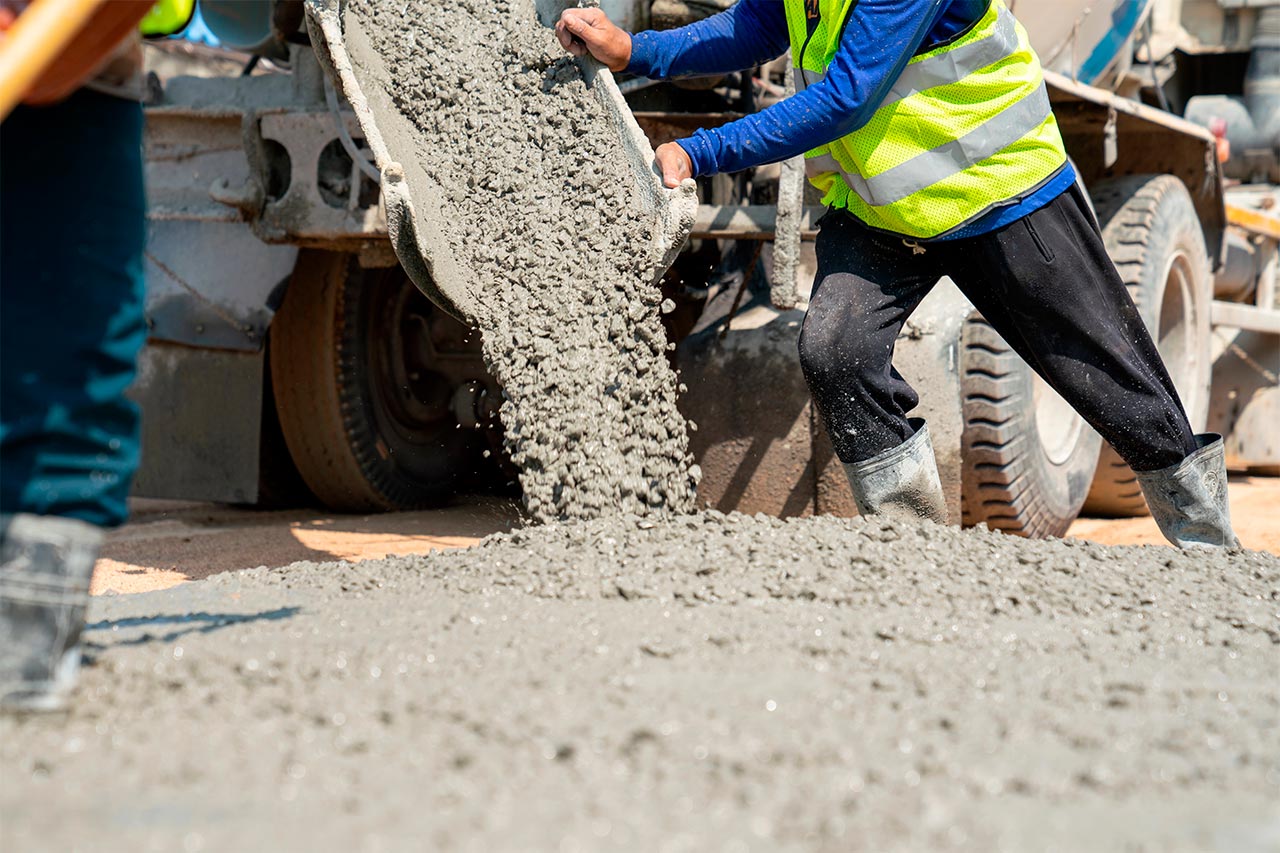
Concrete walkways are known for their exceptional lifespan. With proper installation and maintenance, concrete can last 30 years or more. It resists heavy foot traffic, weather changes, and general wear. Asphalt paths, while durable, typically last 15 to 20 years and require more frequent maintenance, such as seal coating.
Maintenance Needs
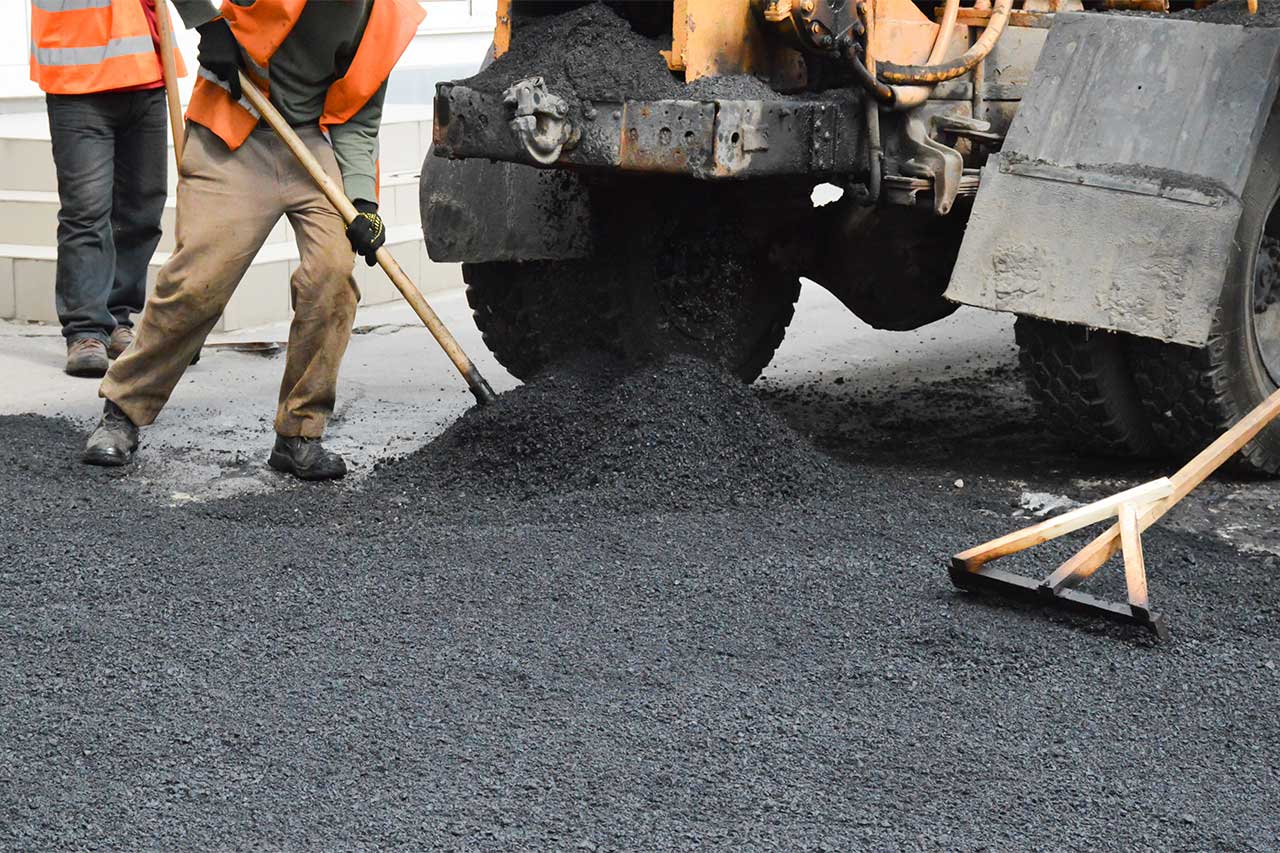
Concrete requires minimal upkeep, consisting mainly of cleaning and occasional sealing. Cracks that develop over time can be repaired, although patching may be more visible. Asphalt, on the other hand, needs more regular attention. Sealcoating every 2 to 3 years and timely crack repairs are essential to extend its life. However, asphalt repairs blend more seamlessly than concrete patches.
Cost Considerations
Asphalt is typically less expensive to install than concrete, making it a popular choice for longer paths or budget-conscious projects. Concrete requires a higher upfront investment, but its long lifespan and minimal maintenance can make it more cost-effective over time.
Aesthetic Appeal
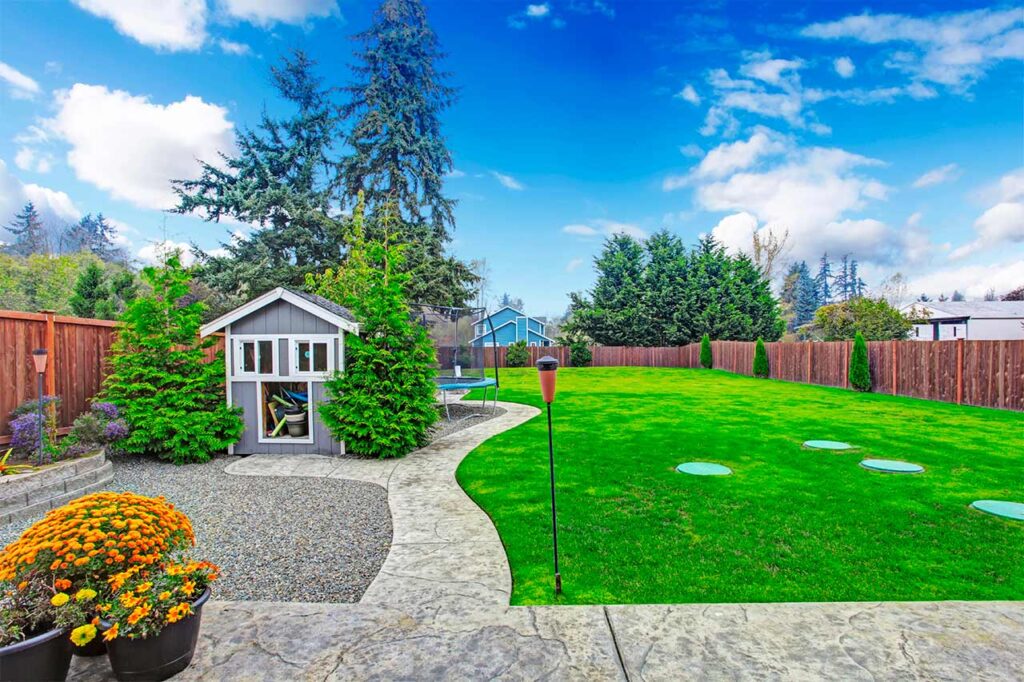
Concrete offers far more design versatility. It can be colored, stamped, or textured to match your landscape and architecture. Homeowners who want a custom, stylish walkway often choose concrete for the design options. Asphalt provides a smooth, dark surface that appears clean and professional, but customization options are limited.
Weather Resistance
In Tennessee’s variable climate, both materials perform well with the proper care. Asphalt is more flexible, which helps it handle freeze-thaw cycles without severe cracking. Concrete is more resistant to heat and heavy loads, but can be vulnerable to salt and freeze damage without proper sealing.
Best Uses
- Concrete: Ideal for residential walkways, patios, decorative paths, and areas where design and appearance are a priority.
- Asphalt: Great for long community paths, cost-effective driveways, and areas that need a quick, smooth, and functional solution.
Final Thoughts
Choosing between concrete and asphalt depends on your priorities. If you value style, longevity, and low maintenance, concrete is the best investment. If affordability and flexibility are your top priorities, asphalt is a wise choice.
At Garcia’s Construction TN, we provide expert installation of both concrete walkways and asphalt paths, ensuring your property gets the perfect balance of beauty, durability, and value.
Ready to plan your next project? Contact us today for a free consultation and personalized recommendation.